
Drum-Based Powder Flowability Tester
📍 Duration / Institution
Jan - May 2026, University of Pittsburgh (Capstone)
⭐Tags
Design for Manufacturing (DFM)
Structural Validation
Product Realization
⭐ Situation + Task
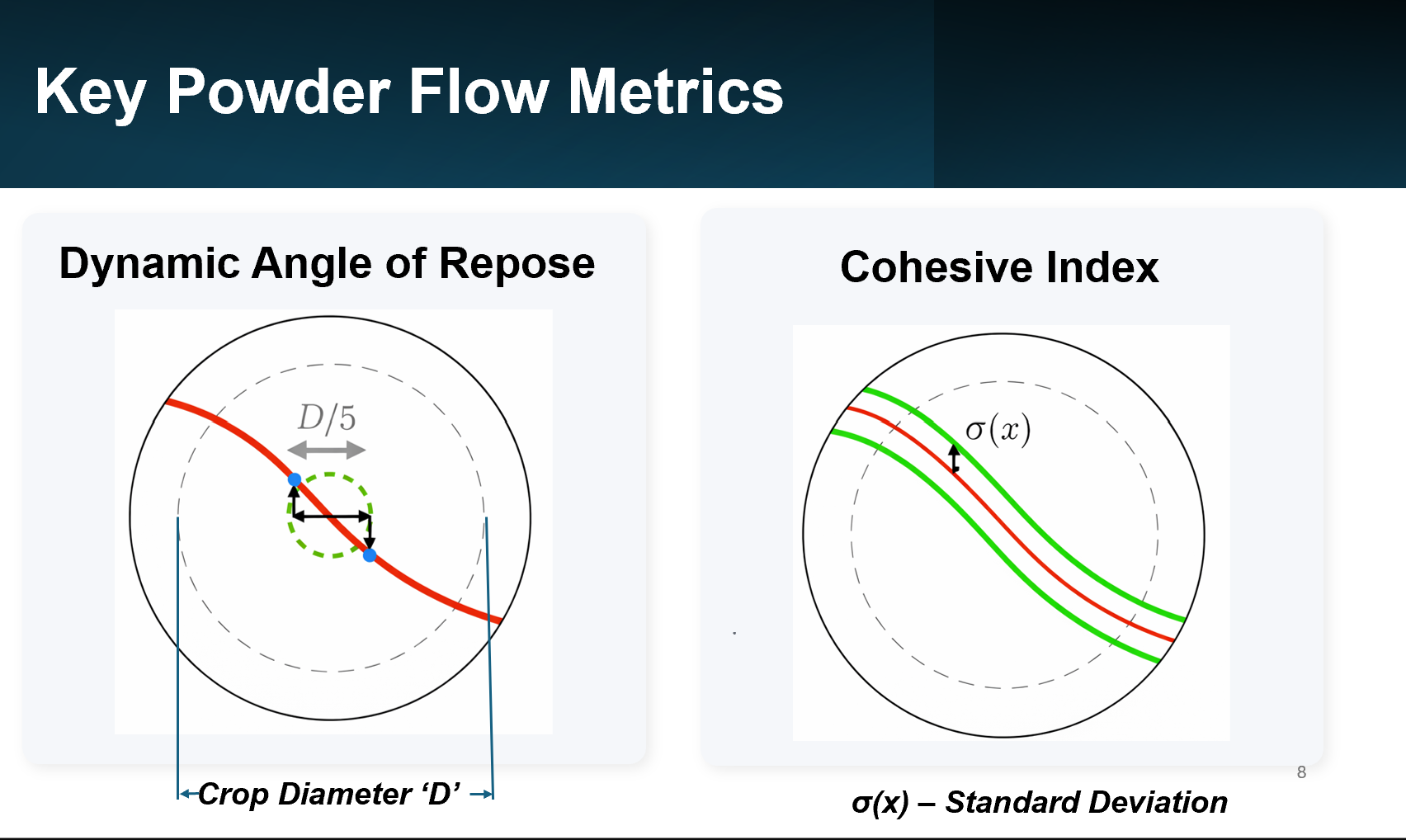
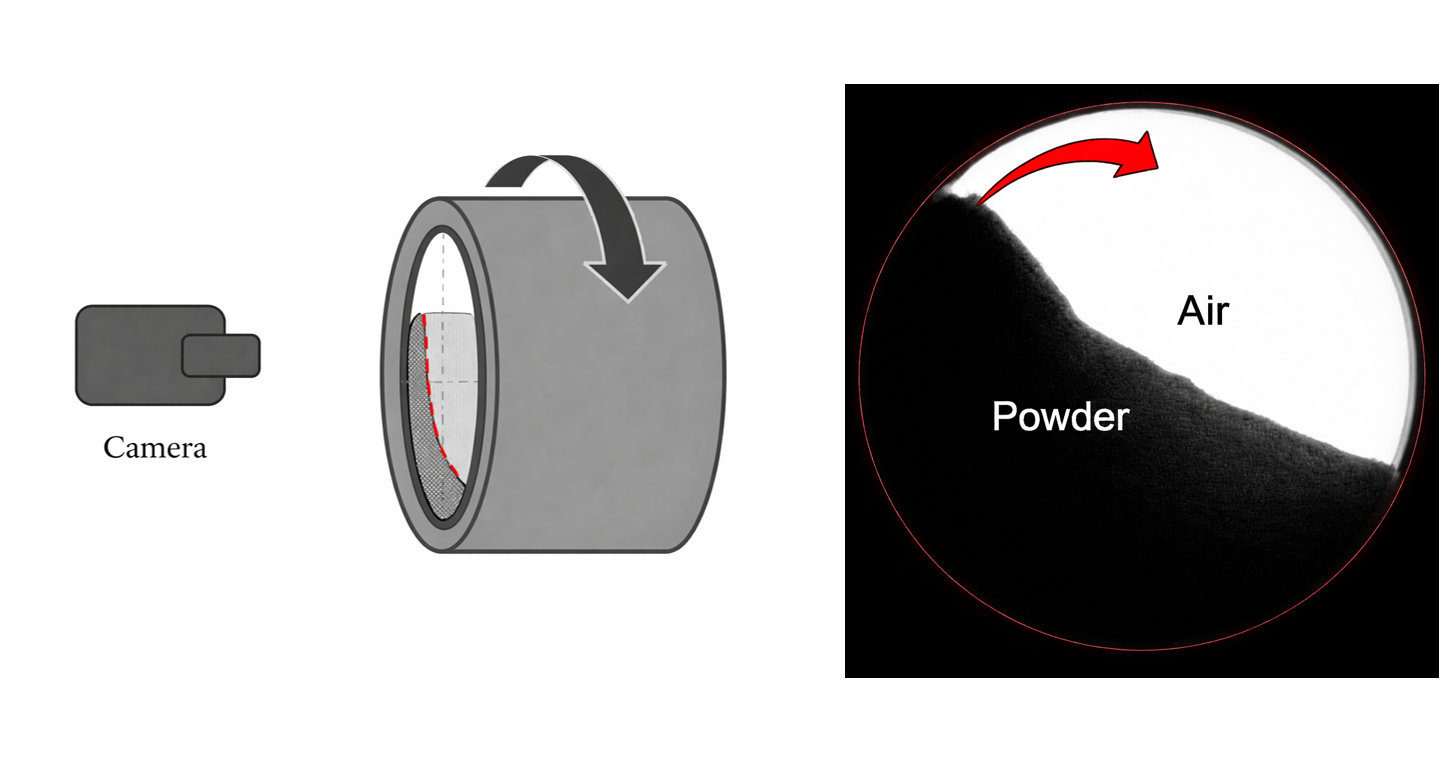
In powder-based Additive Manufacturing (AM), standardized static tests struggle to accurately characterize fine metal powders, causing unpredictable layering and defect formation. The project aimed to design and integrate a low-cost, laboratory-scale dynamic powder flowability tester utilizing the rotating drum method to capture critical process metrics. The engineering challenge focused on developing a structurally stable, leak-proof containment system with precision electromechanical actuation and integrated optical monitoring under strict cost constraints.
⚙️ Action
Engineered a sealed rotating drum assembly by designing a custom O-ring and flange containment configuration paired with a direct-drive shaft motor mounting to isolate ultra-fine metallic powders.
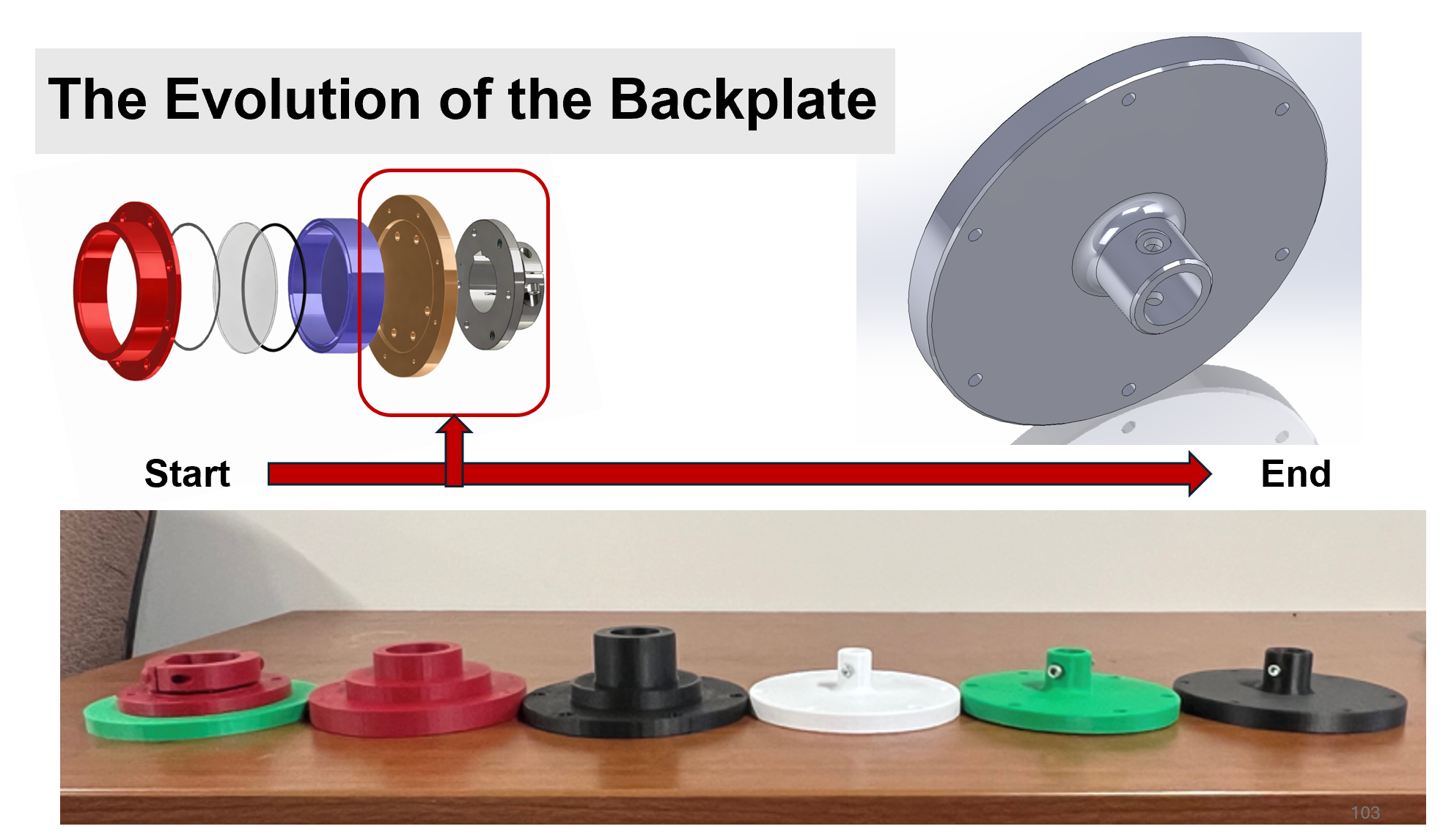
Optimized physical prototypes for manufacturing (DFM) by generating production-ready 2D engineering drawings and collaborating directly with workshop machinists to adapt component geometries to machine shop constraints, managing rapid design iterations through to final alpha assembly.
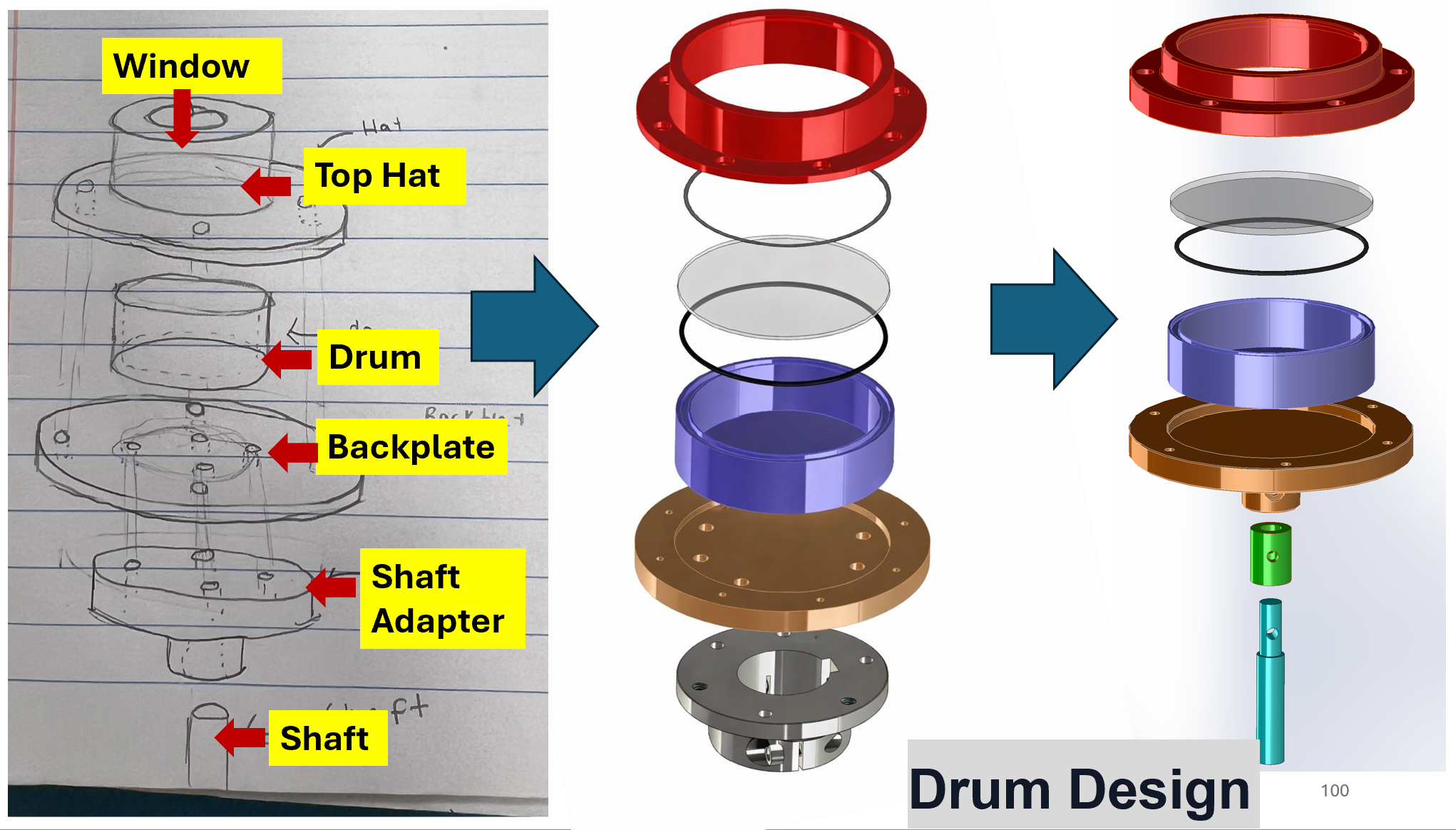
Conducted full-system CAD integration and multiphysics validation in SolidWorks, consolidating mechanical, electrical, and optical subteam inputs into a unified digital twin while executing motion animations, interference checks, and FEA structural safety margin verifications.
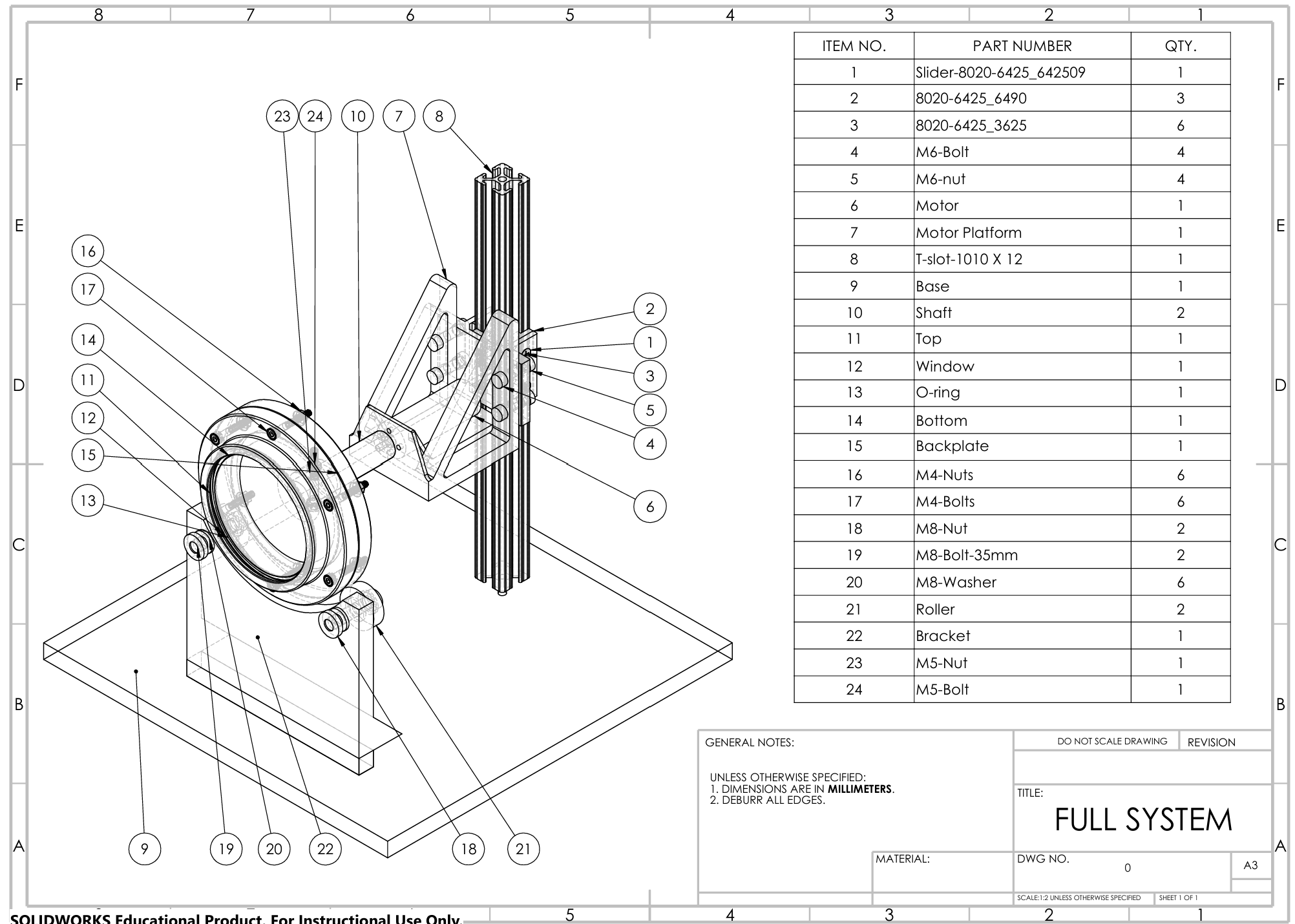
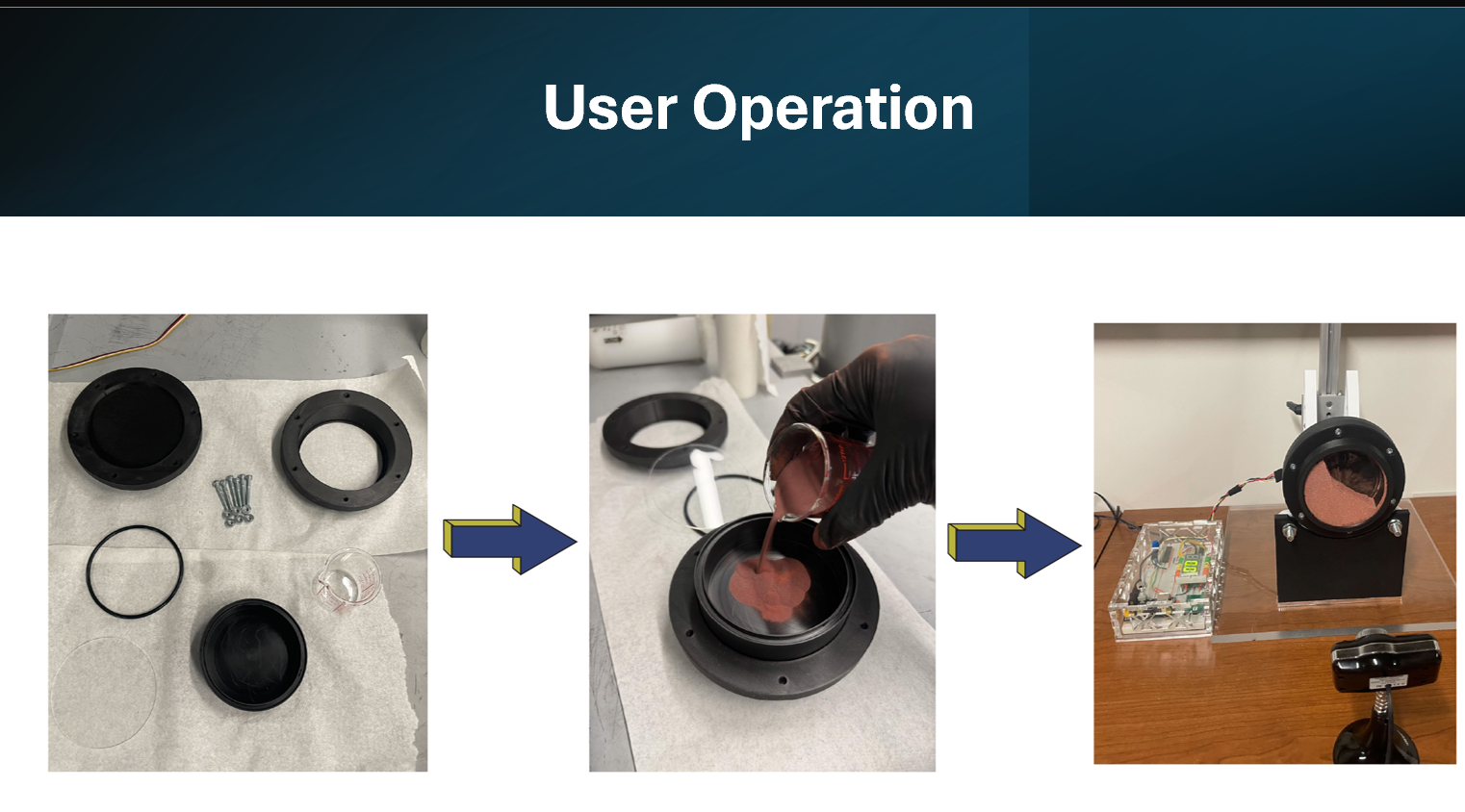
Synthesized user-centric operation protocols and handoff documentation, authoring a comprehensive User & Maintenance Manual that integrated laboratory human factors, safety shielding compliance, and verification frameworks to streamline future design scaling and system validation.
📈 Result
Delivered a fully operational alpha-prototype fluidization tester within a compact benchtop footprint, maintaining complete operational safety via shielded rotating components.
Achieved high cost efficiency, minimizing total bill-of-materials cost to finish significantly under the targeted budget threshold.
Validated containment and optical capabilities by executing test runs with fine metallic powders, capturing distinct dynamic fluid boundaries without material loss.
Established empirical data trends that successfully mapped changing powder cohesion under variable rotational speeds in alignment with standardized ASTM guidelines.